Showing posts with label centrifugal fans. Show all posts

Tuesday, October 3, 2023

4 Important Centrifugal Fans & Their 5 Extraordinary Applications


Centrifugal fans, also known as blowers, are versatile and efficient devices that play a crucial role in various industrial applications. They work on the principle of transferring kinetic energy from the rotating impeller to the air or gas stream, generating a steady flow of air at a higher pressure. Centrifugal fans manufacturers in India have been at the forefront of producing cutting-edge fans to cater to the diverse needs of industries. In this blog, we will explore four essential types of centrifugal fans and delve into five extraordinary applications where these fans are making a significant impact.


The Importance of Centrifugal Fans in Industrial and Commercial Applications


Centrifugal fans, also known as centrifugal blowers, are mechanical devices that have become indispensable in various industrial and commercial settings. These fans play a crucial role in creating air movement, maintaining optimal temperatures, and ensuring a safe and comfortable environment. Their importance extends to a wide range of applications, making them an integral part of modern-day industries. Here are some key aspects that highlight the significance of centrifugal fans:


1. Efficient Air Movement

One of the primary functions of centrifugal fans is to move air efficiently. They achieve this by converting mechanical energy from the rotation of the impeller into kinetic energy, generating a steady flow of air. This ability to move air in large volumes makes centrifugal fans ideal for ventilation systems in industries, commercial buildings, and residential spaces. Proper ventilation is vital for removing stale air, controlling humidity levels, and preventing the buildup of pollutants and contaminants.


2. Pressure Generation

Centrifugal fans are designed to create a pressure difference between the inlet and outlet sides, enabling them to move air against resistance. This characteristic is particularly beneficial in industrial processes where materials need to be conveyed through ducts or pipes. The pressure generation capability of centrifugal fans is crucial in applications such as pneumatic conveying, air pollution control, and industrial exhaust systems.


3. Versatility in Applications

Centrifugal fans come in various configurations to suit different applications. From backward-curved fans for high airflow at medium pressures to radial fans for pneumatic conveying and airfoil fans for air handling units, these versatile devices can cater to a wide range of requirements. They find applications in industries like HVAC, power generation, cement, chemical, pharmaceuticals, and more. This versatility makes them a go-to choice for engineers and system designers across industries.


4. Temperature Regulation

Temperature control is paramount in several industries to ensure the safety and efficiency of equipment and processes. Centrifugal fans play a vital role in cooling applications, such as in data centers, where they help dissipate heat generated by electronic components. In industrial settings, they aid in temperature regulation to create a comfortable and safe working environment for employees.


Essential Types of Centrifugal Fans and Their Extraordinary Applications


1. Backward-Curved Centrifugal Fan 

The backward-curved centrifugal fan is a popular choice in industries where high airflow volumes are required at medium pressures. These fans have blades that curve away from the direction of rotation, making them highly efficient and less prone to clogging. They are extensively used in HVAC (Heating, Ventilation, and Air Conditioning) systems for commercial buildings, shopping malls, and hospitals. The backward-curved centrifugal fan ensures a consistent and comfortable airflow, providing an ideal environment for occupants.


Application 1: HVAC System in Sustainable Office Spaces

In modern India, the focus on sustainability and green buildings has intensified. centrifugal fans manufacturers in india have responded to this demand by creating energy-efficient fans for HVAC systems in eco-friendly office spaces. These fans not only ensure a pleasant working environment but also contribute to reducing the overall carbon footprint of the building.


2. Forward-Curved Centrifugal Fan

The forward-curved centrifugal fan, with its blades curving in the direction of rotation, is perfect for applications requiring a high airflow at low pressures. These fans are commonly used in electronic cooling, where they efficiently dissipate heat from sensitive components, preventing overheating and potential damage. Additionally, they find applications in the automotive industry for engine cooling and in air purification systems.


Application 2: Data Centers Cooling System

In the age of information, data centers are the backbone of countless businesses and organizations. The efficient functioning of data centers depends on maintaining optimal temperatures to safeguard critical equipment. Forward-curved centrifugal fans play a pivotal role in cooling data centers, ensuring uninterrupted operations and preventing data loss.


3. Radial Centrifugal Fan

Radial centrifugal fans are characterized by their straight blades mounted perpendicular to the shaft. They are suitable for high-pressure applications, such as pneumatic conveying systems. Industries dealing with bulk materials, such as cement, fly ash, and grains, benefit from the robust performance of these fans.


Application 3: Cement Industry

The cement industry is one of India's most significant sectors, and the demand for efficient air handling equipment is immense. Radial centrifugal fans are extensively used in pneumatic conveying systems to transport raw materials and finished products in cement plants. Their reliability and durability make them a vital component in ensuring smooth operations within the cement manufacturing process.


4. Airfoil Centrifugal Fan

Airfoil centrifugal fans are designed with blades that have an airfoil-shaped cross-section, providing higher efficiency and lower noise levels compared to other fan types. These fans are preferred in applications that demand a combination of high airflow and medium pressure, such as air handling units and industrial ventilation.


Application 4: Pharmaceutical Cleanrooms

In the pharmaceutical industry, maintaining sterile and contaminant-free environments is non-negotiable. Airfoil centrifugal fans are extensively used in cleanrooms to ensure the air is constantly purified and free from particulate matter. By maintaining the required air quality, these fans play a vital role in upholding the stringent standards of pharmaceutical production.


Conclusion

Centrifugal fans are indispensable in various industries, from creating comfortable spaces in commercial buildings to ensuring critical operations in data centers and pharmaceutical cleanrooms. Centrifugal fans manufacturers in India have been instrumental in developing innovative solutions that cater to these diverse applications. As the demand for efficient and sustainable air handling systems continues to rise, centrifugal fans will remain at the forefront of providing reliable solutions for India's industries, contributing significantly to the nation's growth and progress.

Are you searching for high-quality centrifugal fans manufacturers in India? Look no further! Our cutting-edge centrifugal fans are tailored to meet your specific needs. Contact us today to explore our range of innovative air handling solutions.

Saturday, September 9, 2023

Centrifugal Fans in Industrial Processes: A Crucial Component Manufactured in India

 Centrifugal fans are indispensable in various industrial processes, playing a pivotal role in maintaining optimal airflow, ventilation, and temperature control. Among the leading producers of these vital components, India's centrifugal fan manufacturers have gained prominence for their exceptional quality and innovation. In this blog, we will delve into the top five industrial processes where centrifugal fans are used and shed light on how centrifugal fans manufacturers in India contribute to this essential sector.


Understanding Centrifugal Fans


Centrifugal fans, also known as radial fans, are essential components used in various industrial processes to move air or gases. They are distinct from axial fans in their method of airflow generation and are widely employed for their versatility, efficiency, and reliability. Understanding the basic principles and components of centrifugal fans is crucial to appreciate their significance in industrial applications.


Working Principle:


The fundamental principle behind centrifugal fans is the conversion of kinetic energy into potential energy to generate airflow. This process involves the following steps:


     Air Intake: Centrifugal fans draw air in through an inlet or suction side.

     Impeller: The heart of the centrifugal fan is the impeller, a rotating disk with curved blades attached to a central hub. As the impeller rotates, it imparts kinetic energy to the air, causing it to move outward in a radial direction.

     Diffuser/Volute: The air leaving the impeller enters a diffuser or volute, a stationary passage that converts the high-speed, low-pressure air into low-speed, high-pressure air. The diffuser/volute ensures a steady and controlled airflow.

     Air Discharge: The high-pressure air is then discharged through the outlet or discharge side.


Components of a Centrifugal Fan:


Impeller: The impeller is the primary moving part of the centrifugal fan. It is responsible for generating the airflow by accelerating the air radially outward. Impellers can come in various designs, such as forward-curved, backward-curved, or straight radial blades, each suited to specific applications.


Housing/Casing: The housing or casing provided by the centrifugal fans manufacturers in India encloses the impeller and creates a flow path for the air. It is designed to optimize airflow efficiency and protect the impeller from external elements.


Inlet/Duct: The inlet or duct serves as the entry point for air into the centrifugal fan. A well-designed inlet minimizes air turbulence and ensures smooth airflow intake.


Motor: The motor drives the impeller's rotation and provides the necessary power to generate airflow. Depending on the application, centrifugal fans can be powered by electric motors, internal combustion engines, or other power sources.


Bearings: Bearings support the rotating components of the fan and reduce friction, allowing smooth and efficient operation. Proper bearing maintenance is essential to extend the fan's lifespan.


Types of Centrifugal Fans:


Centrifugal fans can be categorized based on various factors, such as blade design, impeller orientation, and application. The main types include:


Forward-Curved Centrifugal Fans: These fans have blades that curve in the direction of rotation, providing high airflow at relatively low pressures. They are commonly used in HVAC systems and other applications requiring moderate pressure.


Backward-Curved Centrifugal Fans: With blades curving against the direction of rotation, these fans offer higher pressure capabilities and are suitable for applications requiring increased resistance, such as industrial ventilation and air pollution control.


Radial Centrifugal Fans: Radial fans have straight blades and are well-suited for high-pressure applications, such as pneumatic conveying and material handling.


Industrial Applications of Centrifugal Fans


HVAC Systems:

Centrifugal fans form the backbone of Heating, Ventilation, and Air Conditioning (HVAC) systems. In large commercial and industrial buildings, these fans ensure efficient air circulation, helping to regulate temperature and maintain a comfortable indoor environment. Indian manufacturers have played a vital role in supplying HVAC systems with reliable and energy-efficient centrifugal fans.


Industrial Ventilation:

Industries often deal with hazardous fumes and airborne contaminants that can jeopardize workers' health and safety. Centrifugal fans find extensive use in industrial ventilation systems, efficiently removing pollutants and ensuring a safe working environment. Indian manufacturers offer a wide range of robust and corrosion-resistant fans suited for various industrial settings.


Air Pollution Control:

Addressing the pressing issue of air pollution, centrifugal fans are integrated into air pollution control systems like dust collectors and scrubbers. These fans aid in capturing and eliminating harmful particles and pollutants from industrial emissions. Centrifugal fans manufacturers in India have contributed significantly to the development of technologically advanced and eco-friendly pollution control systems.


Drying and Cooling Processes:

Centrifugal fans are instrumental in drying and cooling applications across industries. In drying ovens, they facilitate the removal of moisture from materials, while in cooling towers, they help dissipate heat and maintain temperature levels. Indian manufacturers produce high-quality centrifugal fans with precise control capabilities, enhancing the efficiency of these critical processes.


Material Handling:

In industries that deal with bulk materials, pneumatic conveying systems powered by centrifugal fans are used for efficient material handling. These fans propel materials through pipelines, reducing manual labor and streamlining operations. Indian manufacturers have excelled in designing and producing reliable centrifugal fans for various material handling requirements.


Key Features and Considerations


Energy Efficiency:

Energy efficiency is a key focus for industries seeking to reduce operational costs and their carbon footprint. Centrifugal fans manufacturers in India have prioritized energy-efficient designs, incorporating modern technologies and materials to optimize performance while minimizing power consumption.


Fan Selection Criteria:

Selecting the appropriate centrifugal fan is crucial for achieving optimal results. Indian manufacturers offer a diverse range of fans, catering to different airflow requirements, static pressures, and material compatibilities. They provide expert guidance to help industries make informed choices.


Future Trends and Innovations


Indian centrifugal fan manufacturers continue to invest in research and development to keep up with global trends and advancements. Innovations such as aerodynamic design improvements, brushless DC motors, and smart control systems are anticipated to further enhance fan efficiency and performance.


Conclusion


Centrifugal fans manufacturers in India have proven to be vital components across various industrial processes, from HVAC systems to material handling applications. These fans ensure improved airflow, ventilation, and air pollution control, contributing to a safer and healthier work environment. With a focus on energy efficiency and continuous innovation, Indian manufacturers stand at the forefront of the centrifugal fan industry, catering to the diverse needs of industries both domestically and internationally. Their commitment to quality and sustainability makes them an invaluable asset in the global industrial landscape.

Wednesday, December 7, 2022

How to Keep Your Centralized Air Conditioning System Running Smoothly


Maintaining an centralised AC system can be a daunting task. Many things can go wrong, and it's often difficult to know where to start troubleshooting. This blog post will discuss some tips for keeping your industrial air conditioning system running smoothly. Following these tips can help prevent common problems and keep your business operating at its best!  


1. Schedule regular maintenance:  


The best way to keep your centralised air conditioning system running smoothly is to schedule regular maintenance. This will allow a trained professional to inspect and clean your system and make any necessary repairs. Regular maintenance can help extend the life of your system and prevent small problems from turning into big ones. 


2. Monitor humidity levels:  


Another important factor in keeping your industrial air conditioning system running smoothly is to monitor humidity levels. Too much humidity can cause condensation and other issues, so keeping an eye on these levels is important. You can purchase a humidistat to help you monitor humidity levels, or you can simply check them yourself with a hygrometer. 


3. Keep the area around your centralised AC clean:   


Another way to help keep your industrial air conditioning system running smoothly is to keep the area around your unit clean. Dust and dirt can build up on the coils and other parts of your system, making it harder for your system to cool effectively. Vacuuming or dusting around your unit regularly can help prevent this buildup.  


4. Replace filters regularly:  


Another important part of keeping your centralised AC system running smoothly is to replace the filters regularly. Dirty filters can restrict airflow and make it harder for your system to cool effectively. Most systems come with reusable filters, so clean them frequently according to the manufacturer's instructions. You should also consider replacing your filter every few months to ensure it works properly. 


5. Check for leaks:  


One final tip for keeping your industrial air conditioning system running smoothly is to check for leaks. Leaks can allow coolant to escape, reducing your system's efficiency. If you discover any leaks, have them repaired as quickly as possible. 


6. Keep an eye on the thermostat:  


The thermostat is an important part of your centralised AC, and it's important to keep an eye on it. If you set the thermostat too low, your system will have to work more to cool the space, which can cause issues. Conversely, if the thermostat is set too high, your system may not cycle properly and could cause condensation issues. 


7. Have a professional inspect your system regularly:   

In addition to following the tips above, it's also a good idea to have a professional inspect your industrial air conditioning system regularly. This will help ensure that everything is working properly and that any potential problems are caught early. 


Following these tips can help keep your centralised air conditioning system running smoothly. Regular maintenance and monitoring are essential to preventing problems, and keeping your business operating at its best! 


Final Thought 


A centralised AC system is a vital part of many businesses. Following the tips above can help keep your system running smoothly and prevent common problems. In addition, having a professional inspect your system regularly can help you spot any potential issues you may not be aware of. By taking these steps, you can help ensure that your business stays cool and comfortable all year long! 

Thursday, November 3, 2022

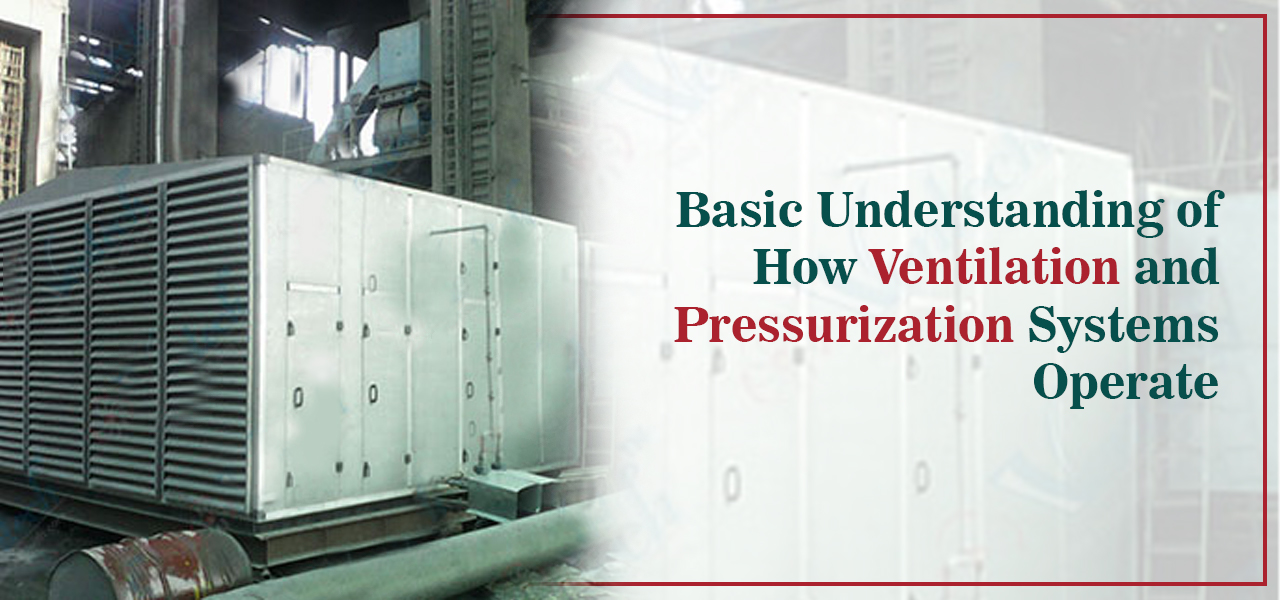
Basic Understanding of How Ventilation and Pressurization Systems Operate

 In order to pressurize the enclosure and offer a slightly higher pressure than the surrounding region, Pressurisation and Ventilation Systems were installed. To stop air, smoke, and gas from entering the sealed area, this is done. In such a case, all windows and doors are typically shut. Due to the high internal pressure, when a door is opened to let people or things inside, the enclosed space does not let outside air in. 


The system includes: 


  • The room's supply of filtered air. 

  • A pressure relief device is supplied to prevent departmental overpressure. 

  • The system is appropriate for elevator machine rooms, compressor rooms, stairwells, community rings, air-conditioned areas, CNC workshops, machine assembly areas. 

  • Safeguarding escape routes 

  • Extinguishing shaft protection 

  • Adherence to all requirements. 

  • Ideal for usage on several stories. 


Three key parts make up a Pressurisation and Ventilation Systems: supply air, pressure release, and air exit. These factors work together to provide a positive pressure difference that keeps everything out of the chamber. 


We Design methodology for Pressurization Systems: 


Evaluation of the building's use and construction, the pressured area, and the necessary system class. 


  • Evaluate leakage routes. 

  • Determine the necessary volumetric flows. 

  • Determine the pressure relief rods' surface area. 

  • Make a ventilation area calculation. 


Working of Ventilation Systems: 


Our Ventilation Systems in Noida ensure that there is enough air movement to keep everyone comfortable in the workspace. The system comes in two varieties. The first is a ventilation system that is cold and dry and is situated near the filtered air pump. Such systems are typically installed to apply pressure to the region. Fan cooling is an option. Here, the ambient air is cooled before being let loose. A traditional spray cooling system, an evaporative cooling system, or Celdec cooling pads can all be used for cooling. Both of the aforementioned applications call for suitable extraction. Of course, exhaust gasses can also arrive mechanically from ducts and fans or from doors and windows.   


What Does Ventech Systems Mean by Mechanical Ventilation? 


Mechanical ventilation is directed by mechanical fans. To supply or ventilate the room, fans can be connected directly to windows, walls, or air ducts. The climate affects the type of mechanical ventilation. Leakage may need to be avoided or limited in hot, humid conditions to reduce condensation. Ventech Systems employs the mechanical positive pressure Ventilation Systems in Noida in such circumstances. Vacuum ventilation should be employed to lessen interstitial condensation, whereas leaking should be avoided in cold areas. The vacuum system is frequently utilized for a room that has locally created contaminants, like a B. bathroom, toilet, or kitchen. 


4 Important Centrifugal Fans & Their 5 Extraordinary Applications

  Centrifugal fans, also known as blowers, are versatile and efficient devices that play a crucial role in various industrial applications. ...